


Pepperstone
5.0/5 5.0 stars
Avg Spread
0.00000
Leverage
Up to 1:200
Platforms
MT4, cTrader, MT5, TradingView
Regulators
ASIC, FCA, DFSA, CySEC, BaFin, SCB
 |
|
The best silver trading brokers are Pepperstone, Capital.com, and Base Markets — offering tight spreads on Silver (XAGUSD) CFDs with fast execution and Islamic (swap-free) accounts. Compare top commodity brokers and track live silver prices.
Updated:
The best silver trading brokers and XAG/USD platforms for 2026 are Pepperstone, Capital.com, and Base Markets — offering tight silver spreads, regulated accounts, and fast execution.
Trade silver (XAG/USD) with trusted, regulated platforms featuring competitive pricing, advanced charting tools, and global market access for all trader levels.
Compare all top silver trading brokers to find the right platform for your strategy.
Avg Spread
0.00000
Leverage
Up to 1:200
Platforms
MT4, cTrader, MT5, TradingView
Regulators
ASIC, FCA, DFSA, CySEC, BaFin, SCB
Avg Spread
0.10000
Leverage
Up to 1:30
Platforms
MT4, MT5, cTrader, Web, Mobile
Regulators
FCA, CySEC, ASIC, SCB, CMA
Avg Spread
0.00000
Leverage
Up to 1:500
Platforms
MT5
Regulators
FSC
Avg Spread
0.50000
Leverage
Up to 1:200
Platforms
MT5, MT4, ActivTrader, TradingView
Regulators
FCA, SCB, CMVM, FSC, BACEN / CVM
Get professional market views before placing trades. Check performance and risk disclosures.
ExploreRisk warning: CFDs are complex instruments and come with a high risk of losing money rapidly due to leverage. 60% - 81.70% of retail investor accounts lose money when trading CFDs with Capital Com Group. You should consider whether you understand how CFDs work and whether you can afford to take the high risk of losing your money.
| Broker | Avg Spread | Leverage | Platforms | Regulators | Minimum Deposit |
|---|---|---|---|---|---|
| Pepperstone | 0.00000 | 1:200 | MT4, cTrader, MT5, TradingView | ASIC, FCA, DFSA, CySEC, BaFin, SCB | $0.00 |
| Capital.com | 0.10000 | 1:30 | MT4, MT5, cTrader, Web, Mobile | FCA, CySEC, ASIC, SCB, CMA | $20.00 |
| BASE Markets | 0.00000 | 1:500 | MT5 | FSC | $0.00 |
| ActivTrades | 0.50000 | 1:200 | MT5, MT4, ActivTrader, TradingView | FCA, SCB, CMVM, FSC, BACEN / CVM | $0.00 |
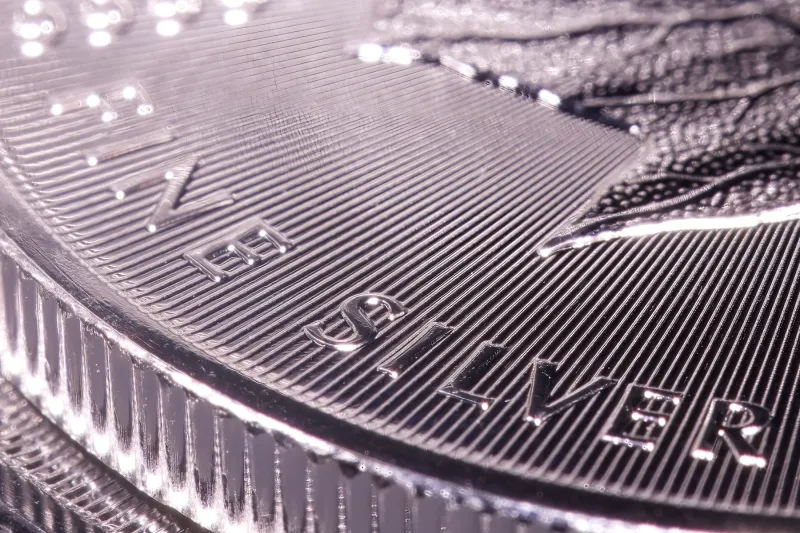
A silver broker is a regulated financial intermediary that provides investors access to the global silver market, enabling the buying, selling, and storage of silver-related financial instruments such as ETFs, CFDs, futures, options, and physical silver products.
These brokers connect retail and institutional clients to real-time market liquidity and execute trades efficiently through secure, regulated trading platforms.
Choosing the right broker is essential — your broker determines order execution speed, platform functionality, spreads, and access to exchanges. A professional, transparent broker can greatly enhance your trading performance and risk management.
When selecting a silver broker in 2025, consider the following key factors:
Modern silver trading platforms operate on secure, cloud-based infrastructures, ensuring transparency, speed, and market depth.
They integrate price feeds from leading liquidity providers and support AI-based analytics that help traders identify trends and optimize entries and exits.
Beginners should choose brokers offering demo accounts, simplified interfaces, and educational materials.
Professional traders may prefer platforms like MetaTrader 5, cTrader, or proprietary terminals offering advanced tools, technical indicators, and multi-asset access.
Yes. Silver, like other major commodities, can be traded 24 hours a day, five days a week, following the global trading sessions in Asia, Europe, and North America. This flexibility allows traders to react to international market events and economic data releases in real time.
Investing means holding silver over the long term to capture multi-year price trends.
Trading focuses on short- to medium-term price movements, using leverage and technical analysis.
Investors typically prioritize stability; traders seek volatility and liquidity.
Silver is both a precious metal and an industrial asset, used in sectors such as:
According to Michael DiRenzo, CEO of the Silver Institute, silver demand is set for one of its strongest years in over a decade, driven by industrial consumption and the energy transition.
“We believe silver will have a great year in 2025,” DiRenzo told CNBC, projecting prices to reach $35 per ounce, the highest level since 2012.
Analysts from Citibank, Goldman Sachs, Deutsche Bank, Morgan Stanley, UBS, and J.P. Morgan all forecast prices between $35 and $38 per ounce by the end of 2025, supported by central bank easing and rising industrial demand.
The Silver Institute warns of temporary challenges including slower Chinese manufacturing activity and delayed U.S. rate cuts, both of which may limit institutional demand in early 2025.
However, expectations of monetary easing in the second half of the year could reignite momentum and strengthen investor confidence.
Like gold, silver’s price tends to move inversely to interest rates.
When rates fall, silver becomes more attractive as a non-yielding asset, drawing capital away from bonds and into metals.
This dynamic remains a major driver for 2025 as global central banks transition from tightening to easing cycles.
Silver is often called the “poor man’s gold”, but its behavior differs due to its dual industrial and precious nature:
Silver tends to outperform during periods of economic expansion and strong manufacturing activity.
Gold shines during market uncertainty and financial stress.
As of early 2025, the gold-to-silver ratio stands near 83:1, meaning 83 ounces of silver are required to buy one ounce of gold — a level analysts see as favorable for silver appreciation.
Many central banks maintain strategic holdings of silver and gold within their foreign reserves as a hedge against inflation and currency risk.
These holdings provide stability during financial volatility and geopolitical uncertainty, reinforcing silver’s role as a global store of value.
With rising demand from solar energy, electronics, and investment sectors, silver’s long-term outlook remains strongly bullish.
While short-term volatility may persist, many analysts view 2025 as a pivotal year for the white metal, with the potential to challenge $38 per ounce under supportive macroeconomic and industrial conditions.
Silver trading platform evaluations are prepared by the Economies.com research team, led by senior market analyst Daniel Morgan, licensed by DFM & Tadawul and recognized for transparent, data-driven analysis of global precious-metal brokers.
The best brokers to trade silver (XAG/USD) in 2026 are Pepperstone, Capital.com, and Base Markets. Pepperstone is suitable for active and professional traders seeking tight spreads, fast execution, and advanced trading platforms, while Capital.com is better for beginners looking for simple, commission-free silver CFD trading with risk management tools.
Pepperstone supports professional trading platforms for silver trading, including MetaTrader 4 (MT4) and MetaTrader 5 (MT5). These platforms are well suited for trading silver due to advanced charting, technical indicators, automated strategies, and precise order execution on XAG/USD.
Capital.com uses a proprietary web-based and mobile trading platform rather than MetaTrader. The platform is designed for simplicity and ease of use, making it suitable for traders who want to trade silver manually without complex technical configuration.
Silver is more volatile than gold and is strongly influenced by industrial demand. While gold is mainly a safe-haven asset, silver reacts to manufacturing trends, economic growth, and supply constraints, which leads to sharper price swings and higher short-term trading opportunities.
Low spreads are especially important when trading silver due to its volatility. Pepperstone is known for competitive spreads on XAG/USD supported by deep liquidity, while Capital.com offers spread-only pricing with clear cost transparency suitable for retail silver traders. Base Markets offers spreads from 0.0 pips on silver with $0 minimum deposit and MT5 platform, regulated by FCA (Mauritius).
Silver trading is particularly popular for short-term and swing trading strategies. Frequent price fluctuations allow traders to capitalize on momentum and technical breakouts, while longer-term traders use silver as a diversification tool alongside gold and other commodities.
Opening a silver trading account is fully online and usually completed within minutes. Traders choose a broker, verify their identity, fund the account, and access silver markets through the selected trading platform. Both Pepperstone, Capital.com, and Base Markets offer fast and secure onboarding.
BestTradingSignal.com provides structured silver trading signals focused on XAG/USD. The signals emphasize technical levels, volatility management, and clear risk parameters, making them suitable for use with both MetaTrader and web-based platforms.