How to Start Trading Wheat?
What Is Wheat Trading and Why Are Traders Interested in It?
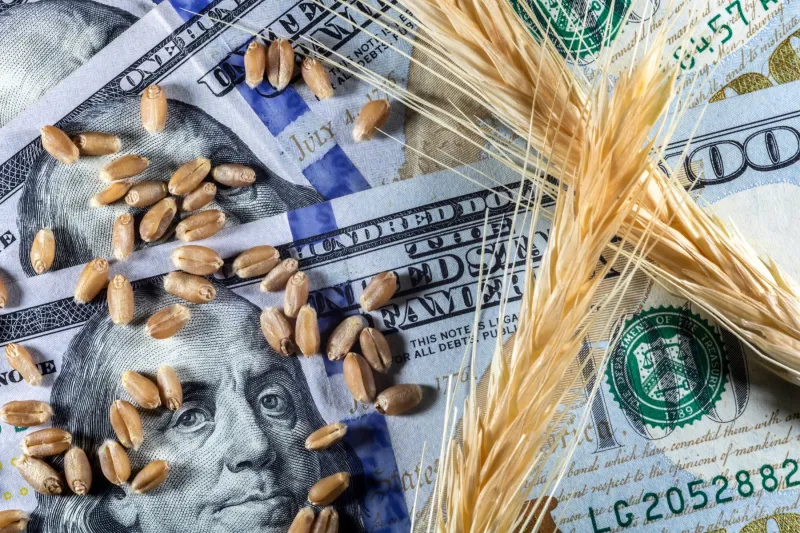
Wheat trading involves buying and selling wheat as a commodity to benefit from changes in its market price. Wheat is one of the world’s most essential agricultural crops, serving as a primary food source for billions of people. It is used in bread, pasta, cereals, and many everyday food products, making it a crucial component of global food supply and a vital economic commodity. Because wheat prices react to crop yields, climate conditions, global demand, and agricultural policies, wheat trading offers opportunities for traders seeking exposure to agricultural markets and diversification beyond traditional financial assets.
Why Is Wheat Considered an Attractive Commodity to Trade?
Wheat attracts traders due to its strong global demand, seasonal production cycles, and sensitivity to market and climate conditions. It is considered a staple soft commodity and plays a significant role in food security, making it subject to consistent consumption regardless of economic cycles. Wheat prices often respond to regional harvest results, supply chain developments, and geopolitical events that affect farming, storage, and transportation. This price behavior creates trading opportunities for those who monitor agricultural news and global trade developments. Because wheat markets are influenced by factors different from those driving financial instruments, it provides valuable diversification for traders building multi-commodity portfolios.
What Factors Influence Wheat Prices?
Wheat prices are affected by a range of agricultural, economic, and geopolitical factors that reflect supply and demand dynamics. Key influences include:
- Weather conditions and climate events affecting wheat-growing regions
- Crop yields, planting cycles, and harvest seasons
- Global demand for wheat-based food products and animal feed
- Government agricultural policies, subsidies, and trade restrictions
- Transportation costs, export routes, and global supply chain disruptions
- Currency fluctuations impacting international wheat trade
- Market speculation, storage levels, and food security concerns
Because wheat is a global food staple, price movements often reflect world agricultural trends and regional farming performance.
How Can You Trade Wheat in Global Markets?
Wheat can be traded through various financial instruments, allowing traders to choose based on their experience level, capital, and preferred style. Common ways to trade wheat include:
- Contracts for Difference (CFDs): Allow traders to speculate on rising or falling wheat prices, use leverage, and trade flexible position sizes.
- Futures Contracts: Exchange-traded instruments used by experienced traders and institutions seeking direct exposure to wheat price movements.
- Exchange-Traded Funds (ETFs) and Exchange-Traded Commodities (ETCs): Provide exposure to wheat price trends without leverage or futures.
- Agricultural and Food Company Stocks: Indirect exposure through companies involved in wheat production, processing, or distribution.
Each method offers different levels of risk and complexity, allowing traders to choose the most suitable option based on their objectives.
Why Does Wheat Experience Price Volatility and How Can Traders Use It to Their Advantage?
Wheat can experience significant price volatility due to its sensitivity to weather conditions, global food demand, and supply chain challenges. Key causes of volatility include:
- Droughts, floods, storms, or unexpected weather affecting crop quality
- Pest outbreaks or plant diseases reducing production
- Food shortage concerns due to geopolitical conflicts or export restrictions
- Fluctuating demand from food manufacturers and livestock feed markets
- Currency movements affecting global wheat pricing
Volatility presents opportunities for traders who analyze supply-demand conditions and react to agricultural developments. Short-term traders may capitalize on active price moves during crop reports, while medium-term traders may position around seasonal planting and harvest cycles.
What Strategies Do Traders Use When Trading Wheat?
Wheat traders use different strategies depending on market conditions and trading preferences. Common approaches include:
- Seasonal Trading: Wheat production and consumption cycles often follow predictable seasonal trends, making seasonal analysis useful for anticipating price patterns.
- Fundamental Trading: Focuses on crop reports, climate data, export statistics, farming news, and government agricultural policies.
- Technical Trading: Uses chart analysis, moving averages, support and resistance, and momentum indicators to time trade entries and exits.
- News-Driven Trading: Takes advantage of price reactions to unexpected events such as crop failures, trade embargoes, or policy decisions affecting food exports.
Many traders combine fundamental and technical methods to improve decision-making and better manage changing conditions in wheat markets.
Is Wheat Trading Suitable for Beginners?
Wheat can be suitable for beginners if they take the time to understand agricultural markets and use proper risk management. New traders often begin with a demo account to learn how wheat prices respond to weather, global demand, and farming cycles. Beginners should learn:
- How the agricultural supply chain influences wheat pricing
- Seasonal trends and the impact of weather and farming data
- Market hours and high-volatility events such as crop report releases
- Risk management techniques and position sizing
Gaining basic knowledge of soft commodities and monitoring agricultural market updates can help build confidence before trading with real funds.
When Is the Best Time to Trade Wheat?
Wheat is traded throughout the day, but certain market sessions offer more liquidity and price movement. Trading activity generally increases during European and US market hours, when agricultural and financial markets are most active. Traders monitor:
- Agricultural report releases and crop forecasts
- Economic news affecting food production and trade
- Developments in major wheat-exporting and importing countries
These events often provide opportunities to take advantage of short-term price changes.
How Should Traders Manage Risk When Trading Wheat?
Because wheat is sensitive to natural and economic factors, risk management is essential. Traders often use:
- Stop-loss and take-profit levels to define trade outcomes
- Controlled leverage to avoid oversized exposure
- Diversification rather than relying on a single commodity or market
- Monitoring of farming data, weather forecasts, and global trade updates
- A structured trading plan to reduce emotional decision-making
A disciplined approach helps traders manage volatility and handle market fluctuations more confidently.
Choosing a suitable trading platform can improve performance and trading experience. Traders generally look for:
- Strong regulatory backing and secure trading conditions
- Fast execution and reliable access to agricultural markets
- Educational materials and research focused on commodity and crop markets
- Analytical tools for both technical and fundamental analysis
- Multi-device trading for flexibility and convenience
A good platform supports traders by offering resources and tools tailored to soft commodity markets.
Why Is Wheat Valuable for Portfolio Diversification?
Wheat provides diversification because its price is influenced by agricultural conditions and food demand rather than purely financial trends. Wheat exposure can:
- Reduce reliance on traditional financial assets such as stocks or forex
- Provide a hedge during economic or food supply uncertainty
- Complement other soft commodities within a broader portfolio
For traders seeking access to agricultural markets, wheat adds balance by capturing price behavior linked to global food supply and farming cycles.
Final Thoughts on Wheat Trading
Wheat trading offers an active and globally relevant market influenced by real-world factors such as weather, crop yields, food demand, and government policies. As a key soft commodity e