


 |
|
USDJPY Holds Recent Gains – Analysis – 02-06-2026
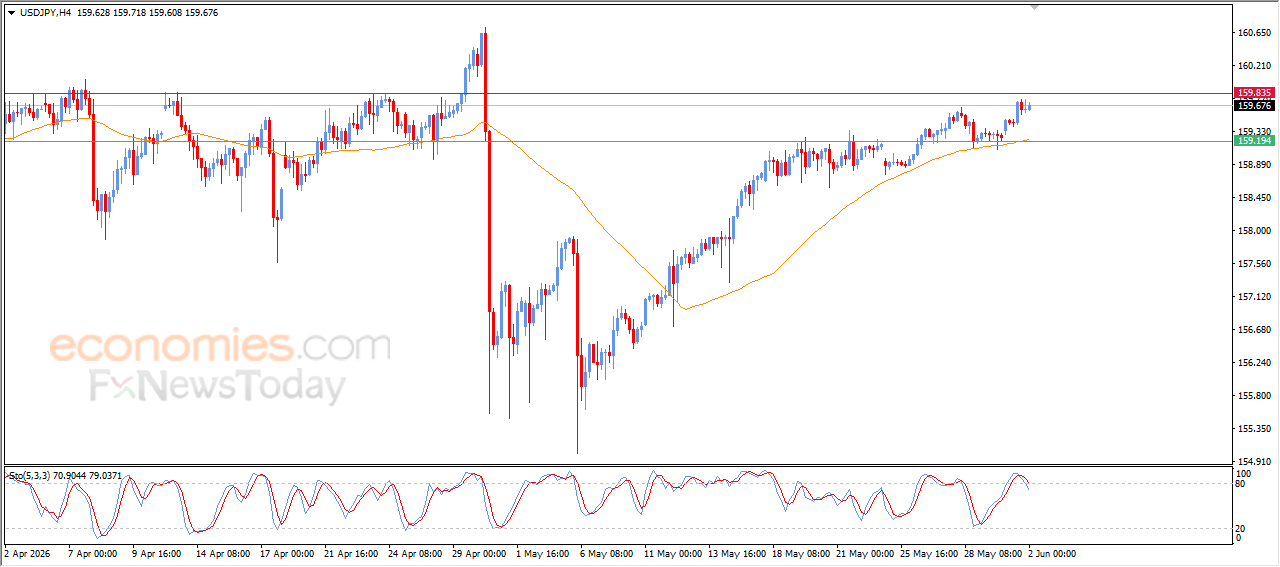
USDJPY settles high in recent intraday trading, amid the dominance of the short-term corrective bullish trend, with the continuation of the dynamic and positive support from trading above its EMA50, reinforcing the bullish outlook.
However, relative strength indicators have started to generate negative signals after reaching heavily overbought levels, which could limit the pair’s ability to extend its gains in the near term.
GBPUSD Recovers Its Losses – Analysis – 02-06-2026
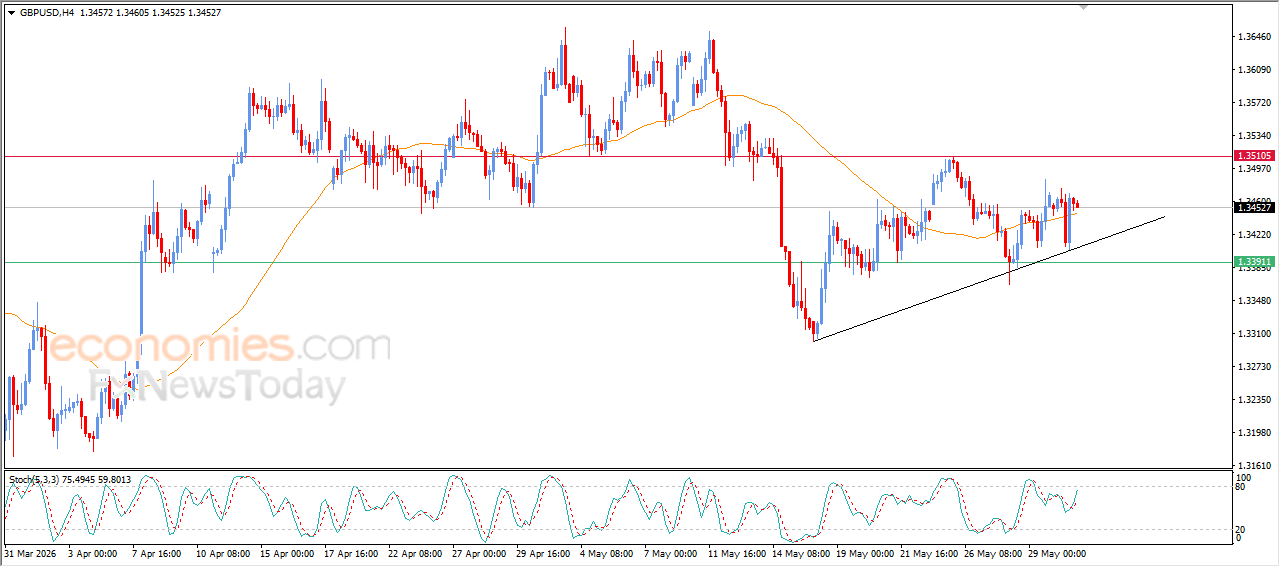
GBPUSD remains firm in recent intraday trading, recovering all of yesterday’s losses. The pair continues to benefit from positive support by trading above its EMA50, while relative strength indicators are providing bullish signals after easing from overbought conditions, giving the pair room to extend its gains. Short-term price action also remains supported by an ascending trendline.
Bitcoin Price Attempts to Reduce Oversold Pressure – Analysis – 02-06-2026
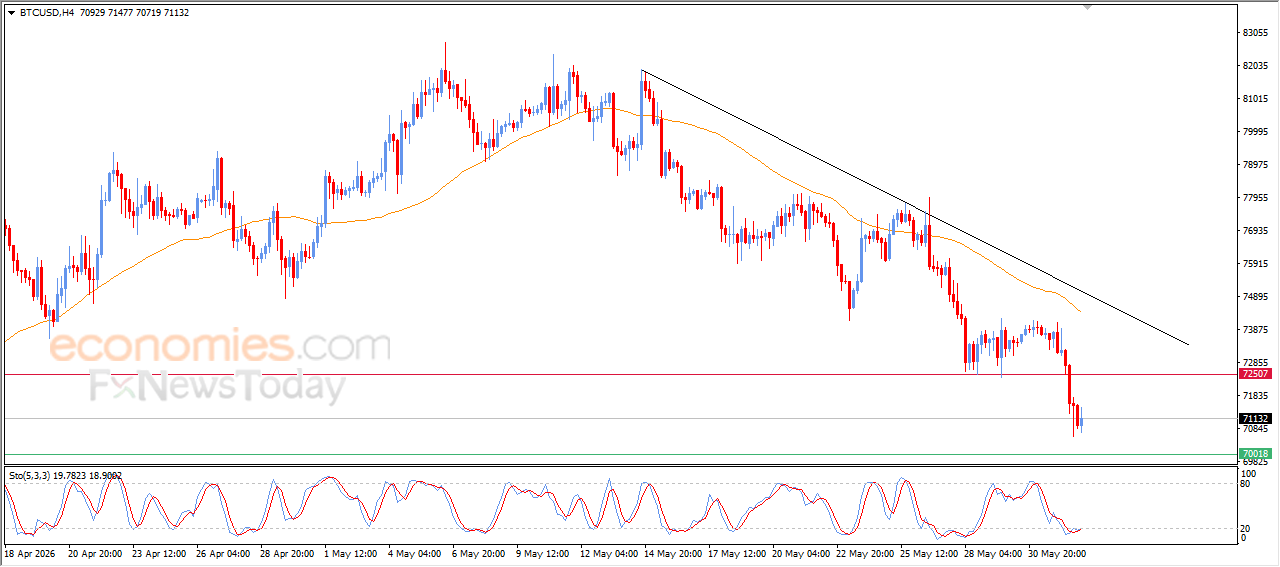
Bitcoin (BTCUSD) rose slightly in recent intraday trading, attempting to recover part of its previous losses, supported by improving momentum as relative strength indicators began to recover from oversold levels, generating positive signals that aided the rebound.
However, bearish pressure remains dominant as Bitcoin continues to trade below its EMA50, reinforcing the short-term downtrend. The price is also moving along a descending trendline, suggesting that current gains remain corrective unless stronger bullish signals emerge.
Crude Oil Gives Up Its Gains Amid a Dominant Bearish Trend – Analysis – 02-06-2026
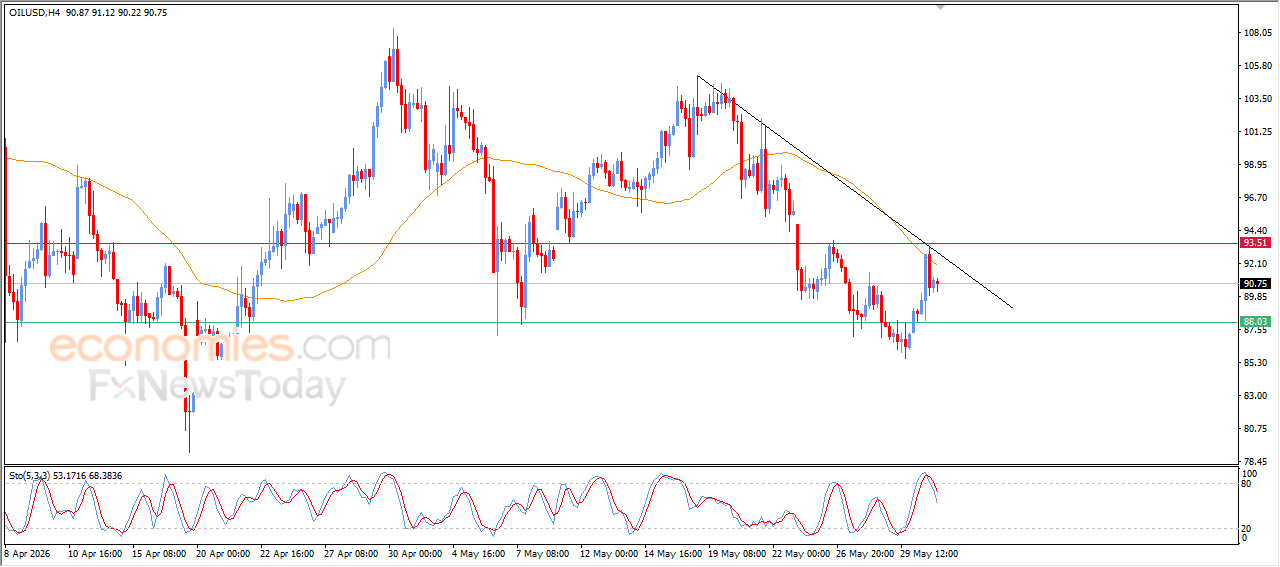
Crude Oil prices declined during recent intraday trading after reaching EMA50’s resistance, which acted as a barrier to continued recovery attempts. As a result, the price reversed lower and resumed its short-term bearish pressure.
This decline coincided with the emergence of negative signals from the relative strength indicators, which formed a bearish divergence after reaching heavily overbought levels relative to price action. This development has reinforced the technical pressure surrounding the market. At the same time, the short-term downtrend remains dominant, with prices moving along a descending trendline that supports the bearish outlook, suggesting that negative sentiment is likely to persist in the near term.